9+ curated guides • Updated August 2025
They call it a 'Revolution,' a multi-million dollar rebirth designed to make a classic ship feel brand new. But beneath the fresh paint and designer furniture of the Celebrity Millennium, can a 20-year-old vessel truly shake off its age and compete with the floating cities of today? We sailed on this industry trailblazer to find out if the revolution is real or just a beautiful illusion. The result is a fascinating study in contrasts—a ship that wears its new, sophisticated wardrobe with grace, but can't quite hide the classic skeleton beneath. It's a vessel that will delight a specific type of traveler while leaving others wishing for the sprawling spaces and technological wizardry of its younger fleet mates. The paradox isn't a flaw; it's the ship's defining characteristic.
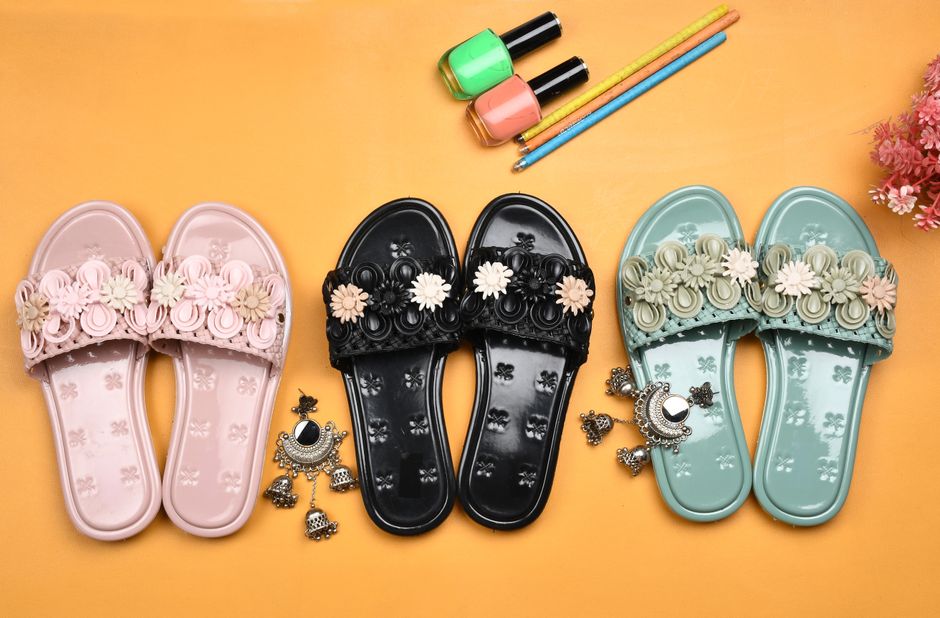
Open your jewelry box. Is it a tangled graveyard of tarnished chains and forgotten trends? We're conditioned to see fashion jewelry as temporary and disposable, but that's a costly mistake. This guide will change your perspective, revealing how to identify and build a core collection of affordable accessories that pays you back in style dividends for years to come. We'll dismantle the idea that 'cost-per-wear' is a concept reserved for designer handbags and cashmere sweaters. In reality, applying this pragmatic logic to your more accessible pieces is where the true style genius lies. It’s not about spending more; it’s about investing smarter, turning your accessory drawer from a liability into a high-performing asset.
You see them coiled by the checkout counter or hung on a designated 'accessory wall,' seemingly as an afterthought. But the humble belt is the unsung hero of retail economics. This isn't just a guide to a functional accessory; it's an exposé on the most profitable square foot in the entire clothing store. For years, I was on the inside, a merchandiser who decided where every mannequin, every rack, and every tiny accessory would live. While everyone focused on the seasonal denim wall or the new shipment of sweaters, my colleagues and I knew the real money was being made elsewhere. It was in the simple, unassuming loop of leather or fabric designed to hold up your pants. We didn't just sell belts; we weaponized them for profit. This is the story of how that happens.
You're scrolling through H&M's online scarf collection, captivated by a chic print and an impossibly low price tag. But a familiar hesitation stops your click: will this feel like a luxury find or a cheap, staticky disappointment? This guide turns that gamble into a science, revealing the five specific digital clues that separate the surprisingly luxe H&M scarves from the ones you'll instantly regret. Forget blind hope; it's time to arm yourself with the digital forensics of fashion. We're going beyond the pattern and price to decode the very DNA of the product page, empowering you to curate a collection of scarves that feel like they came from a boutique, not a bargain bin.
Your search for a 'fashion accessories shop near me' probably led you to the same three chain stores you already know. But the most memorable pieces—the ones that tell a story—aren't found on the first page of Google. Let's ditch the algorithm and learn how to hunt for the truly unique accessories hiding in plain sight in your own neighborhood. This guide is your new map, trading sterile search results for the thrill of discovery. We're not just shopping; we're embarking on a mission to find the soul of our city's style, one handcrafted piece at a time. Forget the predictable. It's time to become a curator of your own collection, filled with items that have a pulse, a history, and a creator you can champion.
You've been trained to believe the ultimate showdown is Black Friday versus Cyber Monday. But what if that entire debate is a carefully crafted distraction? We analyzed years of pricing data to expose the real deal 'sweet spot' that retailers hope you'll miss. For years, I was on the other side of the table, designing the very pricing strategies meant to guide you into predictable spending patterns. Now, I'm here to show you the escape hatch. We're not talking about Black Friday, and we're not talking about Cyber Monday. We're talking about the quiet, 48-hour period in between—what I call the 'Gray November' window—where the real, data-backed bargains hide in plain sight.
You bought the delicate gold hoop everyone is wearing, but on you, it looks awkward or pinches uncomfortably. The problem isn't the jewelry—it's that you're shopping for trends instead of for your anatomy. We're decoding the secrets of your ear's unique landscape, from flat vs. curled cartilage, to reveal why certain pieces are destined to look spectacular on you. For over two decades, I've seen countless clients walk in with irritation bumps and poorly fitting jewelry, all because they chose a piece that fought their natural shape. This guide is the consultation I give them—a masterclass in turning your ear into a perfectly styled canvas, not a battleground for ill-fitting trends.
You typed 'Folli Follie watch made in,' likely searching for a simple answer—a country of origin that speaks to quality. But with this particular brand, that simple question unravels a complex story of global supply chains, marketing illusions, and one of the biggest scandals in modern fashion. The label on the back of the watch is only the beginning. It's a breadcrumb that leads not to a quaint workshop in Greece, as the brand's sun-drenched marketing might suggest, but to the sprawling, hyper-efficient factories of Asia where the modern fashion accessory is truly born. This isn't just a Folli Follie story. It's the story of nearly every glossy, brand-name watch you see advertised on social media, and understanding it is the key to becoming a smarter consumer.
Most travelers picture an Alaska trip filled with flannel shirts and muddy hiking boots. So why would you experience this raw wilderness from a ship known more for its martini bars and modern art than its rustic charm? This piece explores the surprising argument that the stark contrast between Celebrity's sophistication and Alaska's untamed grandeur doesn't clash—it actually creates a more profound and memorable adventure. It's a journey that redefines what an 'authentic' encounter with the wild can be, suggesting that true appreciation comes not from imitation, but from perspective.